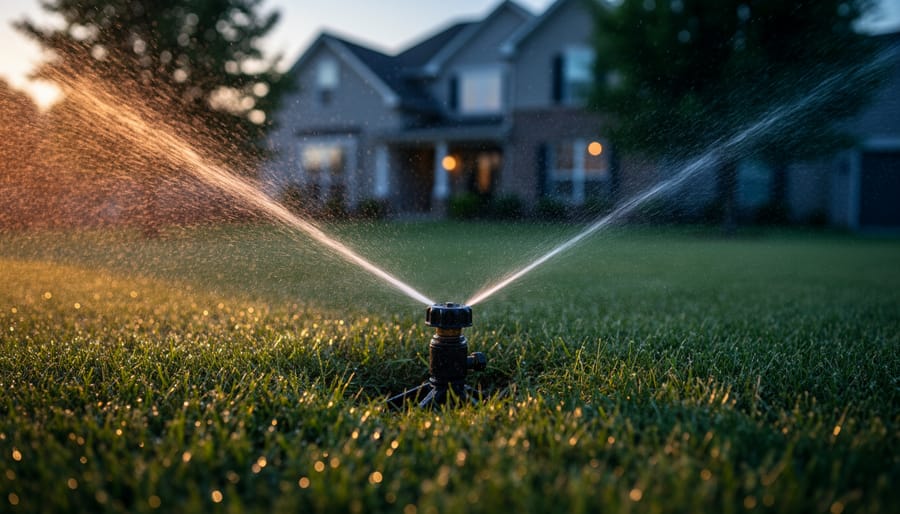
You’ve heard that evening watering invites disease, but you’ve also noticed your neighbor’s lush lawn thrives despite their after-dinner sprinkler routine. The truth is more nuanced than the blanket warnings suggest. Evening watering can work beautifully for your lawn when you understand the science behind moisture, temperature, and fungal growth—and adjust your approach accordingly.
The concern is legitimate: water sitting on grass blades overnight creates ideal conditions for fungal diseases like brown patch and dollar spot. However, this risk varies dramatically based on your climate, grass type, season, and watering technique. In hot, dry regions with low humidity, evening watering often outperforms midday sessions that lose 30-50% of water to evaporation before reaching roots. The key isn’t avoiding evening watering altogether—it’s learning when and how to do it effectively.
While morning remains the best time to water for most situations, evening watering becomes your smart, sustainable choice when you’re battling extreme heat, managing water restrictions, or simply can’t water at dawn. You’ll discover how proper timing windows, adjusted watering depths, and seasonal modifications transform evening watering from a risky gamble into a strategic lawn care practice. Whether you’re questioning your current schedule or seeking validation for your evening routine, understanding these principles helps you make confident decisions that keep your lawn healthy while respecting your schedule and conserving precious water resources.
The Science Behind Evening Watering: What Really Happens to Your Lawn
How Grass Absorbs Water After Sunset
When the sun dips below the horizon, your lawn shifts into a different gear. During evening hours, grass blades naturally slow down their transpiration—the process where water evaporates through tiny pores called stomata. Think of it as your lawn taking a deep breath and relaxing after a long day of photosynthesis.
This reduced transpiration rate is actually great news for water absorption. With cooler temperatures and less moisture loss, the water you apply has more time to soak down through the soil and reach the root zone where it’s needed most. Your grass roots can drink up this moisture without competing against the evaporative pull of hot afternoon sun and dry air.
The process is remarkably efficient. As evening temperatures drop, soil moisture stays put rather than vanishing into the atmosphere. Root hairs—those microscopic extensions that do the actual water uptake—work steadily through the night, drawing moisture into the plant’s vascular system through osmosis. This slower, gentler absorption means less water waste and better hydration for your lawn.
The catch? Those same cool, moist conditions that make evening watering efficient can also create a welcome mat for fungal diseases if grass blades stay wet too long. That’s why timing matters so much.
The Fungal Disease Risk Factor
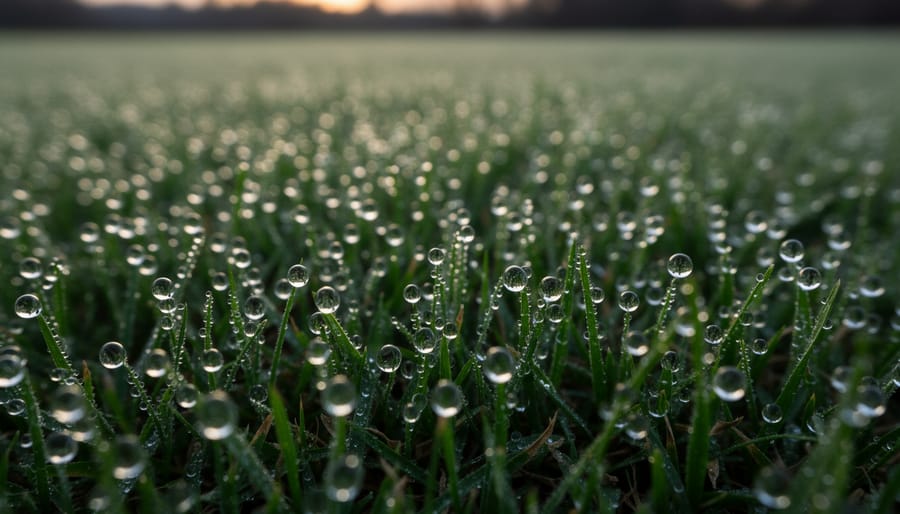
Here’s the reality many lawn enthusiasts discover the hard way: when you water in the evening, your grass blades stay wet for extended periods, sometimes 12-15 hours or more. This prolonged moisture creates an ideal environment for fungal diseases to take hold and spread across your lawn.
Think of it like leaving wet towels in a pile overnight. Just as mildew develops in damp fabric, fungal pathogens thrive on wet grass blades in the absence of sunlight and airflow. Two common culprits you might encounter are brown patch and dollar spot, both of which love evening watering schedules.
Brown patch typically appears as circular areas of dead, brown grass that can spread rapidly during warm, humid conditions. When grass stays wet overnight during temperatures between 70-90°F, the fungus responsible for brown patch finds perfect conditions to multiply. You’ll notice the affected areas have a dark, water-soaked appearance at the edges, especially in the early morning.
Dollar spot creates smaller, silver-dollar-sized patches of bleached, straw-colored grass. This disease particularly loves the combination of evening watering, warm days, and cool nights. The extended leaf wetness period gives the fungus ample time to infect individual grass blades.
The good news? Understanding this risk doesn’t mean you can never water in the evening. It simply means you need to be strategic about timing, grass height, and monitoring conditions. If you notice any suspicious patches developing, adjusting your watering schedule should be your first line of defense before resorting to fungicides.
When Evening Watering Actually Makes Sense
Hot, Arid Climates Where Evaporation Is Your Enemy
If you live in Phoenix, Las Vegas, or other hot, arid regions, evening watering isn’t just acceptable—it’s often your best friend. When daytime temperatures regularly soar above 100°F, watering during daylight hours is like pouring money directly onto hot pavement. The intense heat and low humidity mean much of your water evaporates before it even reaches the soil, let alone your grass roots.
In desert and semi-arid climates, evening watering becomes a smart conservation strategy. By waiting until the sun dips below the horizon, you’re ensuring that more water actually benefits your lawn rather than disappearing into thin air. This is particularly important in regions where water restrictions are common and every drop counts.
The key consideration here is timing. Water early enough in the evening—around 6 to 8 PM—so your grass still has a couple of hours to dry before nighttime temperatures drop significantly. Even in hot climates, you want to avoid leaving grass soaked overnight. The good news? Many arid regions have such low humidity that grass dries relatively quickly even after sunset, reducing the fungal disease risks that plague more humid areas. This makes evening watering not just practical, but genuinely beneficial for water-wise lawn care.
Water Restrictions and Scheduling Realities
Let’s be real: sometimes evening watering isn’t just a preference, it’s your only practical option. Many communities now enforce watering restrictions that limit irrigation to specific days and times, often in the evening or early morning hours. If you work traditional daytime hours, that 6 AM watering window just isn’t happening for most of us.
If you’re stuck with evening watering due to restrictions or your schedule, you can absolutely make it work safely. The key is adapting your technique to minimize fungal risks. Water earlier in the evening rather than later, giving grass blades at least two to three hours before nightfall to start drying. Apply water more slowly and thoughtfully, avoiding excessive amounts that create standing puddles or prolonged surface moisture. Consider reducing your watering frequency but increasing duration slightly, allowing deeper soil penetration that encourages stronger root systems.
Pay extra attention to early warning signs of fungal issues like discolored patches or musty smells, especially during humid periods. If you notice problems developing, you might need to adjust your watering amount or explore drought-tolerant grass varieties that require less frequent irrigation. Remember, a lawn that’s slightly thirsty is far better than one battling persistent disease. Working within restrictions doesn’t mean compromising your lawn’s health; it just means being more strategic and observant.
Newly Seeded or Sodded Lawns
For newly seeded lawns and fresh sod installations, evening watering becomes your ally rather than your enemy. These vulnerable baby grasses need consistently moist soil to establish strong root systems, and the cooler evening hours help maintain that crucial moisture without the sun immediately evaporating your efforts.
During the first two to three weeks after seeding or sodding, you’ll want to water lightly but frequently. Evening watering, combined with morning sessions, ensures the soil never dries out completely. The key difference here is volume: keep it light to avoid washing away seeds or creating soggy conditions that invite fungal problems. A gentle misting approach works beautifully, providing just enough moisture to keep those fragile roots hydrated through the night. Once you see consistent germination and growth, gradually transition to deeper, less frequent watering to encourage those roots to dive deeper into the soil.
The Red Flags: When You Should Never Water at Night
Humid Climates and Poor Air Circulation
If you live in a humid climate, evening watering becomes significantly riskier for your lawn’s health. Here’s why: humidity means the air is already saturated with moisture, so when you add water to your grass late in the day, that water has nowhere to go. Instead of evaporating naturally, it just sits there on the blades and soil surface throughout the night.
Think of it like leaving wet laundry in a damp basement versus hanging it outside on a breezy day. In humid conditions with poor air circulation, moisture lingers for hours, creating the perfect breeding ground for fungal diseases like brown patch, dollar spot, and pythium blight. These pathogens thrive in consistently wet, warm environments and can devastate a lawn surprisingly quickly.
The problem intensifies if your yard has poor air circulation due to fencing, dense landscaping, or being nestled in a low-lying area. Without wind movement to help dry grass blades, you’re essentially inviting disease to set up shop. If you’re dealing with high humidity and limited airflow, morning watering becomes less of a preference and more of a necessity. Your lawn will thank you for those extra hours of drying time before nightfall, giving you a healthier, more resilient turf that can better resist common lawn diseases.
Lawns with Existing Disease Problems
If your lawn is already battling fungal diseases like brown patch, dollar spot, or rust, evening watering is essentially pouring fuel on the fire. I know it’s frustrating when you’re trying to help your struggling grass recover, but extended moisture on diseased blades overnight creates the perfect breeding ground for fungi to spread even more aggressively.
Here’s what happens: fungal spores thrive in consistently damp conditions. When water sits on leaf blades for 8-10 hours during the night, the disease organisms multiply rapidly and infect neighboring plants. This is why you might notice those brown patches expanding despite your watering efforts. It’s not that your grass needs less water, it’s that the timing is working against your recovery goals.
For lawns with existing disease issues, morning watering becomes absolutely essential. This allows the grass to dry quickly as temperatures rise, interrupting the disease cycle and giving beneficial organisms a fighting chance. If morning watering simply isn’t possible, consider treating the fungal problem first before resuming regular irrigation. You might also temporarily reduce watering frequency to avoid keeping the lawn constantly moist, even if this means some temporary browning. A slightly thirsty but disease-free lawn recovers much faster than one drowning in fungal problems.
Smart Evening Watering Techniques That Reduce Risk
Timing It Right: Early Evening vs. Late Night
Not all evening hours are created equal when it comes to watering your lawn. The sweet spot falls between 4 PM and 6 PM, what many lawn care experts call the “golden window.” During these hours, temperatures have cooled enough to reduce evaporation loss, but there’s still sufficient time before nightfall for your grass blades to dry.
This timing gives you the best of both worlds. You’ll avoid the wasteful midday heat while sidestepping the fungal risks that come with nighttime moisture. Your lawn gets the hydration it needs, and those water droplets have 2-3 hours to evaporate from the foliage before darkness sets in.
Late-night watering, on the other hand, particularly after 9 PM, creates a perfect storm for lawn diseases. When grass stays wet for 12-14 hours in cool, dark conditions, fungal spores thrive. Think of it like leaving damp towels in a closed bathroom—not the healthiest environment.
If your schedule absolutely demands later watering, aim to finish by 7 PM at the latest during summer months. This compromise still gives your lawn adequate drying time before the temperature drops significantly overnight, maintaining that crucial balance between convenience and lawn health.
Watering Duration and Depth Adjustments
When watering your lawn in the evening, the golden rule is deep and infrequent rather than quick and daily. Aim to apply about one inch of water per session, which typically translates to 20-40 minutes depending on your sprinkler system’s output. You can test this by placing shallow containers around your lawn to measure accumulation.
The timing sweet spot matters tremendously. Start watering around 4-6 PM, giving your grass blades 2-3 hours to dry before nightfall. This window allows water to penetrate deeply into the soil while the cooler temperatures reduce evaporation loss, but still provides enough drying time to minimize fungal disease risks.
Deep watering encourages roots to grow downward, seeking moisture at lower soil levels. This creates a more drought-resistant lawn compared to shallow, frequent watering that keeps roots near the surface. Think of it as teaching your grass self-sufficiency rather than creating dependence.
During evening sessions, water until you see slight runoff, then pause for 15-20 minutes to let it soak in before resuming. This cycle-and-soak method prevents wasteful runoff while maximizing deep penetration. Your goal is moist soil down to 6-8 inches depth, which you can check by pushing a screwdriver into the ground after watering.
Equipment Choices That Make a Difference
The right equipment can transform your evening watering routine from a disease risk into an efficient, water-saving practice. Your goal is to deliver moisture directly to the soil while keeping grass blades as dry as possible.
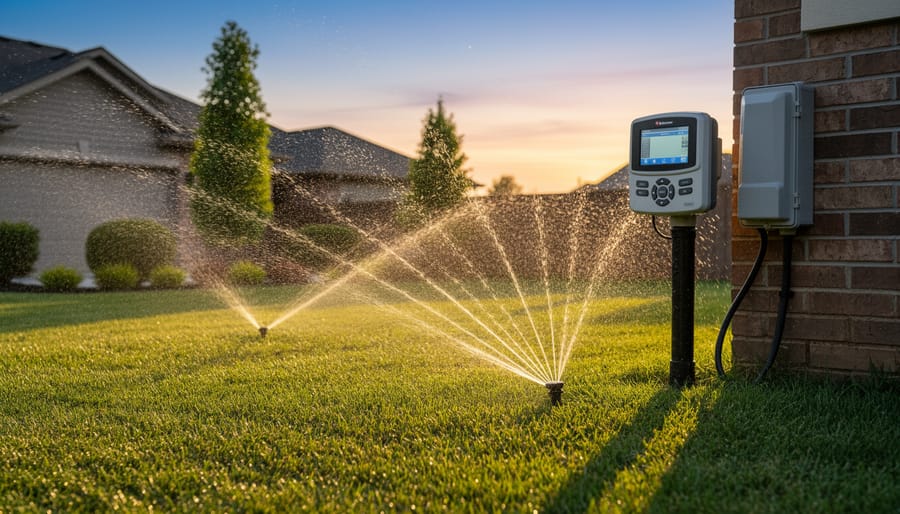
Ground-level irrigation systems are your best friend for evening watering. Drip irrigation or soaker hoses place water exactly where it’s needed—at the root zone—without wetting foliage. These systems drastically reduce the humidity around your grass that invites fungal problems. If you’re working with a traditional sprinkler setup, choose models that produce larger water droplets close to the ground rather than fine mists that drift onto leaves.
Smart irrigation controllers are game-changers for sustainability-minded gardeners. These devices adjust watering schedules based on weather data, soil moisture levels, and even evaporation rates. They’ll automatically skip your evening watering session if rain is expected or if the soil still has adequate moisture. Some models allow you to set precise watering windows, ensuring your lawn has maximum drying time before nightfall.
For those on a budget, even upgrading to a basic programmable timer ensures consistent watering schedules. Pair it with low-angle sprinkler heads, and you’ve significantly improved your evening watering game without breaking the bank.
Seasonal Adjustments: How Evening Watering Changes Throughout the Year
Spring: Managing Growth Spurts and Unpredictable Weather
Spring brings abundant rainfall and cooler temperatures, which means your lawn typically needs less supplemental watering than during summer’s heat. However, this season presents unique challenges when considering evening watering. With temperatures staying cooler overnight and morning dew lingering longer, adding evening water creates an extended period of moisture on grass blades, sometimes lasting 12-16 hours. This prolonged dampness becomes an invitation for fungal diseases like brown patch and dollar spot, which thrive in spring’s moderate conditions.
During active growth spurts, your lawn is particularly vulnerable to disease pressure. If evening watering is your only option, reduce frequency significantly compared to summer schedules. Water deeply but infrequently, perhaps once weekly or less, depending on rainfall. Monitor your grass closely for signs of fungal issues, such as irregular brown patches or circular dead spots.
Consider this spring’s training ground for better watering habits. As daylight hours extend, gradually shift your schedule earlier in the evening, aiming for 4-6 PM when grass has maximum drying time before nightfall. This sustainable approach protects your lawn’s health while working with spring’s unpredictable weather patterns.
Summer: Heat Stress vs. Disease Prevention
Summer presents a unique watering dilemma. During those scorching months when summer heat stress threatens your lawn’s health, evening watering becomes increasingly tempting. The cooler temperatures mean less water lost to evaporation, and your grass gets maximum hydration to recover from the day’s brutal sun exposure.
However, this is where your climate matters most. If you live in a humid region where nighttime temperatures stay warm and moisture lingers, evening watering can create the perfect breeding ground for fungal diseases. Those extended periods of leaf wetness combined with warmth are like rolling out the welcome mat for brown patch and dollar spot.
The practical solution? In hot, dry climates, evening watering during summer is actually your friend. The benefits outweigh the minimal disease risk when humidity is low. But in humid areas, consider early morning watering instead, even if it means setting an alarm. If evening is truly your only option, water earlier in the evening around 6-7 PM to give grass blades time to dry before the coolest part of night arrives.
Fall: Preparing for Dormancy
As autumn arrives and temperatures drop, your lawn naturally requires less water. The grass is preparing for dormancy, and its growth rate slows considerably. This is actually good news for those concerned about evening watering—your reduced watering schedule means less opportunity for moisture-related problems to develop.
During fall, shift your watering schedule back toward morning whenever possible. While evening watering risks exist year-round, they become more pronounced in cooler weather when overnight dew already provides moisture. Adding extra water in the evening creates an extended period of wetness that fungi absolutely love. Morning watering becomes your best defense, allowing grass blades to dry completely during daylight hours.
Reduce your watering frequency to once every 7-10 days, or even less if you’re receiving regular rainfall. Your lawn needs only about half an inch of water weekly during fall. Proper fall watering practices set the foundation for spring success, so don’t abandon your lawn entirely—just adjust your approach to match nature’s rhythm as your grass prepares for winter rest.
Winter: Regional Considerations
Winter shifts the watering game considerably depending on where you live. In cold climates where grass goes fully dormant and freezing temperatures arrive, evening versus morning watering becomes essentially irrelevant since you’ll likely stop watering altogether. Your lawn is sleeping, and that’s perfectly healthy.
For those in warm regions where grasses stay semi-active through winter, you’ll still water occasionally, but far less frequently. The cooler temperatures and reduced evaporation mean your lawn needs much less moisture. Evening watering becomes slightly safer during this period since fungal diseases develop more slowly in cooler weather, though morning remains the gold standard when practical.
If you’re in transitional zones, monitor your specific grass type’s dormancy patterns. Warm-season grasses go dormant even in mild winters, requiring minimal to no irrigation, while cool-season varieties may stay surprisingly active and benefit from occasional watering during dry spells. The beauty of winter is that most timing concerns fade away as nature takes over.
Alternatives and Compromises for the Time-Strapped Homeowner
Smart Irrigation Controllers Worth the Investment
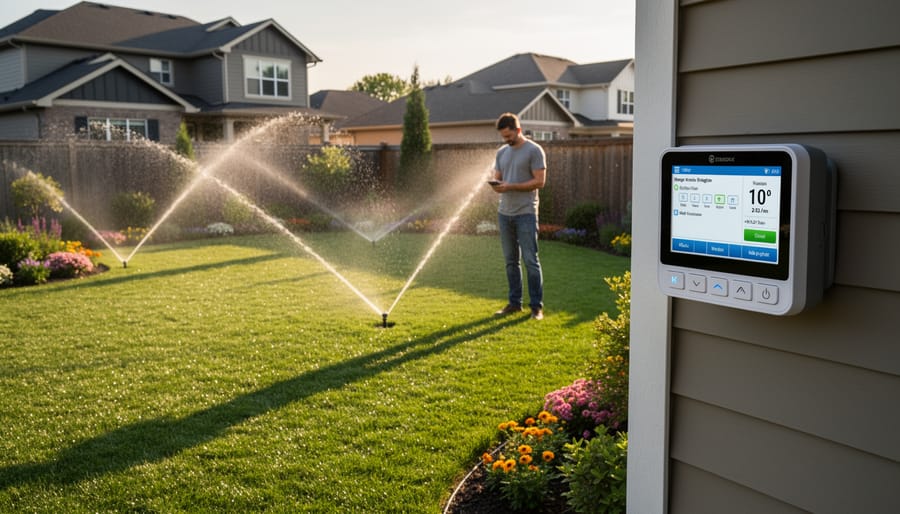
If evening is truly your only option, consider investing in a smart irrigation controller to shift watering to the optimal early morning hours automatically. These programmable systems range from basic timers to sophisticated weather-based models that adjust your watering schedule based on real-time conditions.
Weather-responsive controllers connect to local weather stations or use onsite sensors to skip watering after rainfall or adjust timing based on temperature and humidity. This prevents the excessive moisture that leads to fungal problems, especially important if you’ve been watering in the evening. Models like Rachio and Rain Bird offer smartphone control, so you can monitor and adjust from anywhere.
The upfront cost typically pays for itself within a year through water savings and reduced lawn disease treatment. For sustainability-minded gardeners, these controllers prevent overwatering while ensuring your grass gets precisely what it needs at the best possible time. You’ll sleep better knowing your lawn is being watered correctly, even if you’re not awake to do it yourself.
Manual Watering Strategies for Maximum Efficiency
If you’re committed to watering by hand but only have evening hours available, you can absolutely make it work with a few smart adjustments. The key is mimicking the efficiency of early morning watering as closely as possible.
Start by watering earlier in the evening rather than later. Aim for 5-7 PM if your schedule allows, giving grass blades a fighting chance to dry before nightfall. This simple timing shift dramatically reduces disease risk while still fitting into most people’s after-work routines.
Use a watering wand with a shut-off valve rather than leaving a sprinkler running unattended. This gives you precise control and prevents overwatering specific areas. Focus on directing water at the soil level when possible, keeping foliage drier. It’s more time-intensive but remarkably effective for evening applications.
Water less frequently but more deeply during your evening sessions. Instead of quick daily sprinkles that leave grass damp overnight, aim for thorough soakings twice weekly. This encourages deeper root growth and means grass surfaces dry faster.
Consider splitting your yard into zones, watering different sections on different evenings. This prevents you from rushing through the entire lawn and accidentally creating those puddle-prone wet spots that invite fungal problems.
Finally, stay observant. If you notice increased mushrooms, brown patches, or that telltale musty smell, your evening routine may need tweaking. Sustainability means adapting your approach to what your specific lawn tells you it needs.
Deciding whether to water your lawn in the evening ultimately comes down to understanding your unique situation rather than following a one-size-fits-all rule. If evening is your only realistic option, don’t stress. You can absolutely maintain a healthy, vibrant lawn with some thoughtful adjustments. The key is being observant and responsive to what your grass is telling you.
Take stock of your specific conditions. Do you live in an arid climate where water evaporates quickly, or a humid region where moisture lingers? Is your lawn prone to fungal issues, or has it been relatively disease-free? Does your soil drain well, or does water tend to pool? These factors matter far more than rigid watering schedules. If you’re evening watering and noticing persistent wet spots or signs of disease, dial back the frequency or consider spot-treating problem areas differently than the rest of your lawn.
Remember that sustainable lawn care is about working with nature, not against it. Evening watering can actually conserve significant water in hot, dry climates, which benefits both your water bill and the environment. The goal isn’t perfection but progress. Even if your schedule limits you to less-than-ideal watering times, informed practices like reducing frequency, improving drainage, and monitoring for issues will serve you well.
Your lawn doesn’t need to be complicated. With attention to your local conditions and willingness to adapt, you’ll achieve beautiful results regardless of when you run your sprinklers.