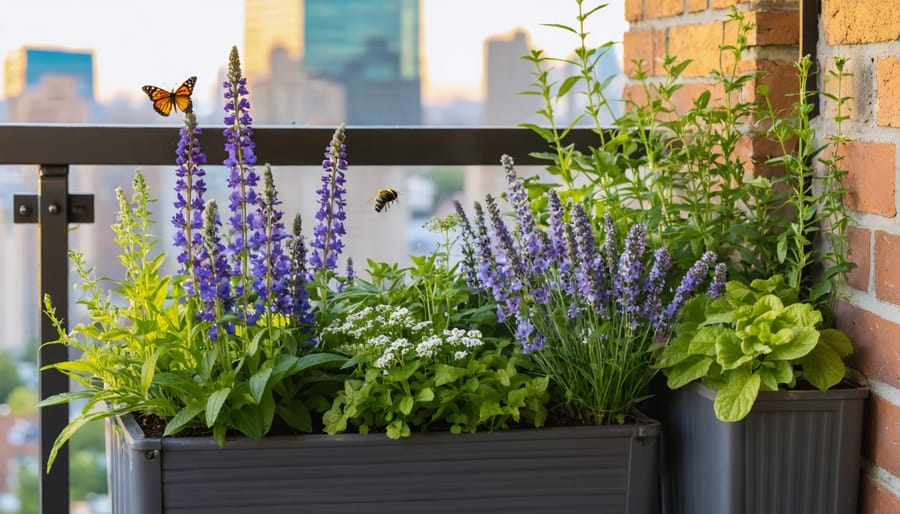
Transform your balcony, patio, or small yard into a pollinator haven by selecting compact native plants like dwarf coneflowers, salvia, and creeping thyme that thrive in containers and tight spaces. Layer blooming periods from early spring through late fall by combining spring bulbs, summer perennials, and autumn sedums, ensuring continuous food sources when pollinators need them most. Replace even a small section of traditional lawn with pollinator-friendly groundcovers that require less water and maintenance while providing crucial habitat for bees, butterflies, and hummingbirds.
Urban pollinator gardens aren’t just about saving bees, they’re about reclaiming your connection to nature in concrete-dominated spaces. Every potted lavender on your fire escape and every square foot of wildflowers you plant creates stepping stones in what conservationists call pollinator corridors, the vital pathways that help these essential creatures survive in cities. The beauty of urban pollinator gardening lies in its accessibility. You don’t need acres of land or advanced horticultural knowledge. What you need is intentionality in your plant choices and willingness to shift from ornamental-only thinking to ecological function.
This approach delivers multiple rewards beyond environmental impact. Native pollinator plants typically demand less water than exotic ornamentals, tolerate urban pollution better, and resist local pests naturally. You’ll spend less time fighting your garden and more time enjoying the vibrant activity it attracts. Whether you’re working with a postage-stamp yard, a rooftop garden, or simply a sunny windowsill, you can make meaningful contributions to pollinator conservation while creating a beautiful, low-maintenance outdoor space that actually supports life.
Why Urban Pollinator Gardens Matter More Than You Think
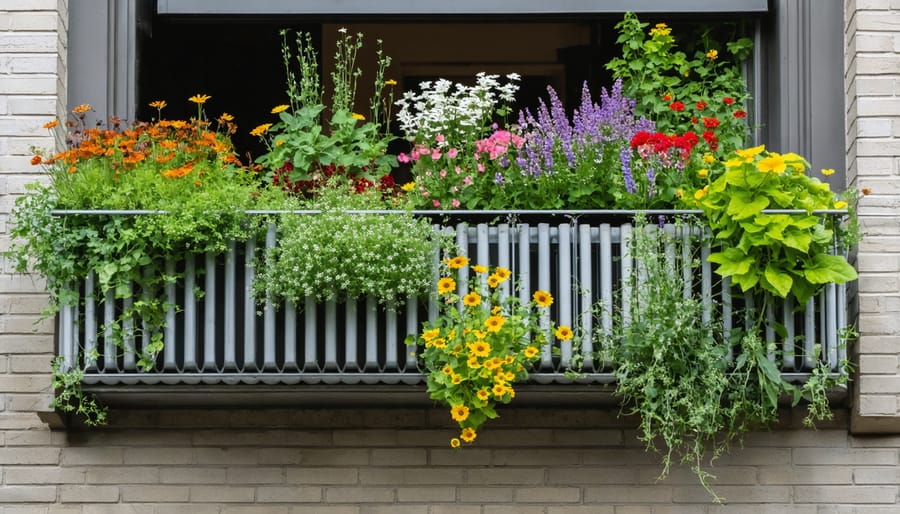
The Urban Pollinator Crisis: What’s Really Happening
The numbers are sobering: pollinator populations have declined by over 25% in recent decades, with some native bee species facing near extinction. For those of us living in cities, understanding how lawns affect pollinators is just the beginning of addressing this crisis. Urban sprawl has transformed vital pollinator habitats into concrete jungles, fragmenting the natural corridors these creatures need to survive.
Here’s what’s happening in our cities: bees, butterflies, moths, and other pollinators struggle to find diverse food sources throughout the growing season. Traditional manicured lawns and ornamental gardens often feature non-native plants that provide little to no nectar or pollen. Add pesticide use, light pollution, and lack of nesting sites, and you’ve got a perfect storm threatening these essential garden helpers.
But there’s genuinely good news. Urban gardens can become powerful pollinator sanctuaries. Even small spaces, when planted thoughtfully, create stepping stones that connect isolated green spaces, allowing pollinators to move, feed, and thrive throughout our cities.
How Small Spaces Create Big Impact
Here’s the thing about urban pollinator gardens that gets me excited: size truly doesn’t matter when it comes to making a difference. Even your tiny apartment balcony or modest patio can become a vital link in what ecologists call a “pollinator corridor.” Think of these corridors as highways for bees, butterflies, and other pollinators navigating through concrete jungles.
When you plant pollinator-friendly flowers in containers or small beds, you’re creating stepping stones that allow these creatures to move safely between larger green spaces like parks and nature reserves. A single window box filled with native wildflowers can provide crucial rest stops and food sources for pollinators traveling miles across the city.
The beauty of this concept is that your garden doesn’t work in isolation. When neighbors across your apartment building, down your street, or throughout your neighborhood also embrace pollinator-friendly plants, you collectively build a robust network of resources. Research shows that these connected micro-habitats significantly boost urban pollinator populations and biodiversity. Your three-pot balcony setup might seem modest, but when combined with dozens of similar efforts in your area, you’re contributing to a thriving ecosystem that supports everything from local food production to overall environmental health.
Planning Your Urban Pollinator Garden: Start With What You Have
Assessing Your Space (Balconies, Patios, and Tiny Yards)
Before diving into plant selection, take a good look at what you’re working with. Even the smallest urban space can become a pollinator haven with realistic planning.
Start by measuring your area. A tiny balcony might only accommodate 3-5 containers, while a small patio could fit a dozen or more. Don’t worry if you’re working with just a few square feet—pollinators will find and appreciate even modest offerings.
Next, observe your sunlight patterns throughout the day. Most pollinator-friendly flowers need at least 6 hours of direct sun, though some native plants tolerate partial shade. Track which spots get morning versus afternoon light, as this affects both plant selection and container placement.
Consider your exposure to wind and weather. Balconies on upper floors face stronger winds that can dry out containers quickly and knock over lightweight pots. You’ll need heavier containers and possibly wind-resistant plant varieties.
Check your space’s weight limitations, especially for balconies. Wet soil is surprisingly heavy—a large container can weigh 100 pounds or more. When in doubt, consult your building management about load capacity.
Finally, assess water access. Dragging watering cans through your apartment gets old quickly. If you’re serious about container gardening, consider investing in a simple drip irrigation system or self-watering containers to make maintenance sustainable long-term.
Understanding Sun, Soil, and Water Realities
Urban gardens rarely offer perfect conditions, but here’s the good news: pollinators are remarkably adaptable! Let’s work with what you’ve got rather than against it.
Most pollinator-friendly plants actually thrive in full sun, needing at least six hours of direct sunlight daily. If you’re dealing with shade from buildings or trees, don’t worry. Focus on shade-tolerant bloomers like coral bells, bee balm, and wild geranium. Even partial sun (four to six hours) opens up options like columbine and Virginia bluebells. Track your sun patterns throughout the day before buying plants, since urban shadows shift differently than in open spaces.
Urban soil is often compacted, contaminated, or just plain terrible. The solution? Don’t fight it. Container gardening bypasses soil problems entirely, giving you complete control over your growing medium. For in-ground beds, raised planters filled with quality organic soil and compost create instant growing space without expensive remediation. Add a three-inch layer of mulch to retain moisture and suppress weeds while improving soil structure over time.
Water access can be tricky without convenient outdoor spigots. Choose native plants that handle drought once established, reducing your watering burden significantly. Group plants with similar water needs together, and consider installing rain barrels to capture free water from downspouts. A simple soaker hose on a timer makes watering effortless, even from indoor faucets. Start small and expand as you learn your space’s unique rhythms.
The Best Pollinator Plants for Cramped Urban Spaces
Native Plants That Pollinators Actually Need
Here’s the truth about native plants: pollinators didn’t evolve alongside ornamental petunias and hybrid roses. They developed intricate relationships with plants native to their regions over thousands of years. When you choose natives for your urban pollinator garden, you’re not just making a design choice—you’re creating a functional ecosystem that actually supports local wildlife.
Native plants require less water once established, resist local pests naturally, and provide the specific nectar, pollen, and host plant resources that your regional pollinators need to survive. A monarch butterfly caterpillar, for instance, can only feed on milkweed species. No milkweed means no monarchs, regardless of how many other flowers you plant.
For successful native plant selection, start by identifying your USDA hardiness zone and regional ecosystem. Northeast gardeners should consider purple coneflower, New England aster, and Joe-Pye weed. In the Southeast, try blazing star, coral honeysuckle, and black-eyed Susan. Western gardeners can plant California poppy, desert marigold, and penstemon varieties. Midwest spaces thrive with prairie dropseed, wild bergamot, and prairie blazing star.
Match plants to your specific conditions too. Got a shady balcony? Try wild columbine or woodland phlox. Full sun rooftop? Blanket flower and yarrow handle heat beautifully. Container gardens work perfectly with compact natives like dwarf goldenrod or blue-eyed grass.
The key is choosing three to five different species that bloom at different times, ensuring something’s always available for hungry pollinators from spring through fall.
Compact Varieties That Pack a Pollinator Punch
Not all pollinator plants need sprawling gardens to thrive. Plant breeders have worked wonders developing compact varieties that fit perfectly into urban spaces while still attracting plenty of bees, butterflies, and other beneficial insects.
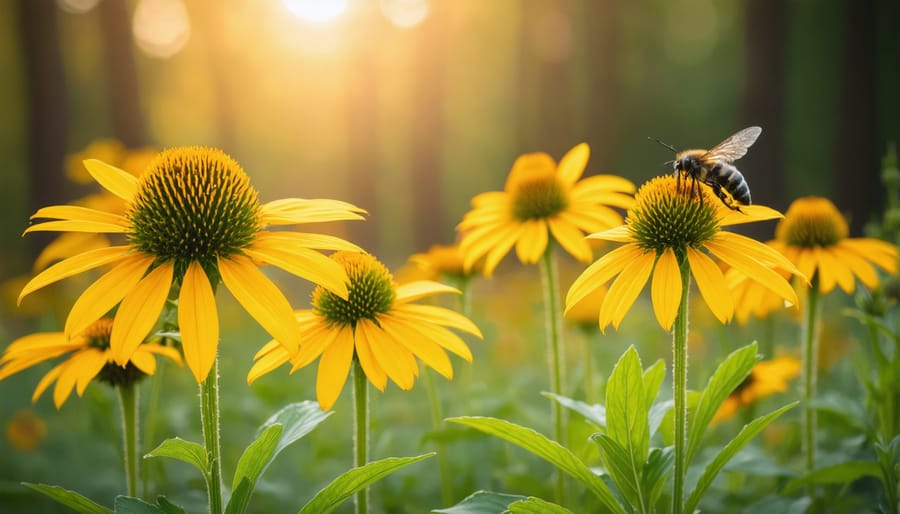
For containers and small beds, consider dwarf milkweed varieties like Asclepias tuberosa ‘Hello Yellow’, which tops out at just 12-18 inches but remains irresistible to monarch butterflies. Pair it with compact coneflowers such as Echinacea ‘Cheyenne Spirit’, which delivers full-sized blooms on plants that stay under two feet tall. These require well-draining soil and about six hours of sun daily.
Salvia ‘May Night’ is another space-saving champion, forming neat clumps of purple flower spikes that bumblebees absolutely adore. It’s drought-tolerant once established, making it perfect for busy urban gardeners. For shady spots, try compact heucheras paired with native violets, both of which support early-season pollinators in tight quarters.
The beauty of these compact varieties is they maintain the same nectar and pollen production as their full-sized cousins while fitting into balcony containers or narrow sidewalk strips. Most thrive with basic care: consistent moisture during establishment, occasional deadheading, and a light spring mulching. These sustainable choices prove you don’t need acreage to make a meaningful difference for pollinators.
Creating a Season-Long Bloom Schedule
Planning your bloom schedule is like conducting an orchestra—each plant takes its turn while creating a harmonious display. Start by dividing your season into bloom periods: early spring, late spring, summer, and fall.
For early spring, rely on crocuses and native wildflowers that emerge when pollinators first wake. As temperatures warm, late spring bloomers like alliums and catmint take center stage. Summer brings the heavy hitters—coneflowers, black-eyed Susans, and bee balm—which bloom for weeks with proper deadheading.
Here’s my favorite practical combination for small spaces: plant early crocuses beneath summer-blooming coneflowers. The crocuses finish before the perennials fill out, maximizing your space. Layer in fall asters and goldenrod for that final pollinator rush before winter.
The secret? Choose at least two plants blooming in each period. This ensures pollinators always find sustenance in your garden, even in the smallest urban plot. Remember, even a single container with strategically chosen plants beats a lawn void of flowers for our pollinator friends.
Sustainable Maintenance Practices That Save Time and Support Pollinators
Rethinking Your Mowing Strategy (Or Eliminating It Entirely)
Here’s a liberating truth: your lawn doesn’t need to be entirely lawn. In fact, reducing lawn areas in favor of pollinator-friendly spaces is one of the most impactful choices you can make for urban wildlife.
Consider designating No Mow zones in less-trafficked corners of your yard. These unmown patches provide crucial habitat for ground-nesting bees, which make up about 70% of native bee species. These industrious pollinators dig tiny burrows in bare or sparsely vegetated soil, and frequent mowing destroys their nests.
If you’re not ready to eliminate your lawn entirely, adopt a pollinator-friendly mowing schedule. Raise your mower blade to at least 3-4 inches, allowing clover and other low-growing flowers to bloom between grass blades. Mow less frequently during peak pollinator season, ideally every two to three weeks rather than weekly.
Another sustainable approach? Create defined pathways through your garden and let the surrounding areas grow wilder. This gives you the manicured look where it matters for functionality while maximizing pollinator habitat. You’ll spend less time mowing, save money on gas or electricity, and provide essential resources for the bees and butterflies that need our help.
Chemical-Free Pest and Weed Management
Protecting pollinators means rethinking how we handle garden pests and weeds. The good news? You can maintain a beautiful urban garden without reaching for chemical sprays that harm beneficial insects.
Start with hand-pulling weeds when they’re young and the soil is moist. It’s surprisingly meditative work, and you’ll catch problems before they spread. For persistent weeds in cracks or between pavers, try pouring boiling water directly on them or use a vinegar-based solution (horticultural vinegar at 20% acetic acid works better than kitchen vinegar). Just be careful—these methods kill any plant they touch, so apply precisely.
For pest management, encourage natural predators like ladybugs and lacewings by maintaining diverse plantings. When aphids or other pests appear, blast them off with a strong stream of water from your hose. If problems persist, insecticidal soap or neem oil can target specific pests while being less harmful to pollinators, though apply them in evening hours when bees aren’t active.
Mulching heavily around plants suppresses weeds naturally while conserving moisture. Use 2-3 inches of organic mulch like shredded leaves or bark. For container gardens, regular deadheading and monitoring catches pest problems early, when they’re easiest to handle without intervention.
Remember, a few holes in leaves mean your garden is feeding someone—and that’s perfectly okay in a pollinator-friendly space.
Water-Wise Practices for Pollinator Gardens
Smart watering is essential for thriving pollinator gardens, especially in urban settings where every drop counts. Start by choosing drought-tolerant natives like coneflowers, black-eyed Susans, and sedums that naturally require less water once established. These tough performers can handle dry spells while still providing nectar for your buzzing visitors.
Consider installing a rain barrel to capture runoff from your roof—it’s free water that pollinators actually prefer since it lacks chlorine and other chemicals. For container gardens on balconies or patios, group pots together to create a humid microclimate that reduces water loss through evaporation.
Apply the same water-wise irrigation practices you’d use for your lawn: water deeply but less frequently to encourage strong root systems. Early morning watering minimizes evaporation and prevents fungal issues. A two-inch layer of organic mulch around plants locks in moisture while feeding beneficial soil microbes. Remember, established pollinator plants are surprisingly drought-tolerant—overwatering causes more problems than underwatering once they’ve settled in.
Essential Garden Features That Pollinators Need Beyond Flowers
Creating Safe Water Sources
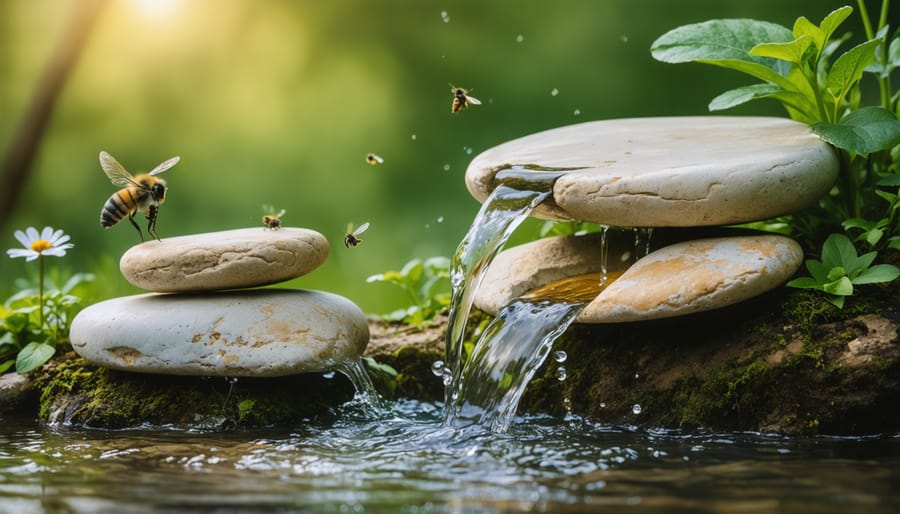
Pollinators need water just as much as they need nectar, but they can easily drown in traditional birdbaths or water features. The good news? Creating safe drinking stations for your buzzing visitors is incredibly simple and works perfectly in compact urban settings.
Start with a shallow dish or saucer filled with clean water and add pebbles, marbles, or small stones that break the surface. These create landing pads where bees, butterflies, and beneficial insects can safely perch while drinking. Place your watering station in a sunny spot near your pollinator plants, ideally elevated slightly to keep crawling pests at bay.
For an even more sustainable approach, repurpose items you already have. An old terracotta plant saucer, a vintage pie tin, or even a decorative bowl can become an instant pollinator fountain. Just remember to refresh the water every few days to prevent mosquito breeding and keep it clean.
If you’re feeling creative, consider a small recirculating fountain with gentle water flow. The sound attracts pollinators while the constant movement naturally discourages mosquitoes. Look for compact models designed for balconies or patios that won’t overwhelm your space or your water bill.
Providing Nesting and Overwintering Habitat
Creating habitat for pollinators goes beyond flowers. Many native bees are solitary ground-nesters, so leave small patches of bare, undisturbed soil in sunny spots throughout your garden. These areas don’t need to be large – even a square foot gives mason bees and mining bees perfect nesting opportunities.
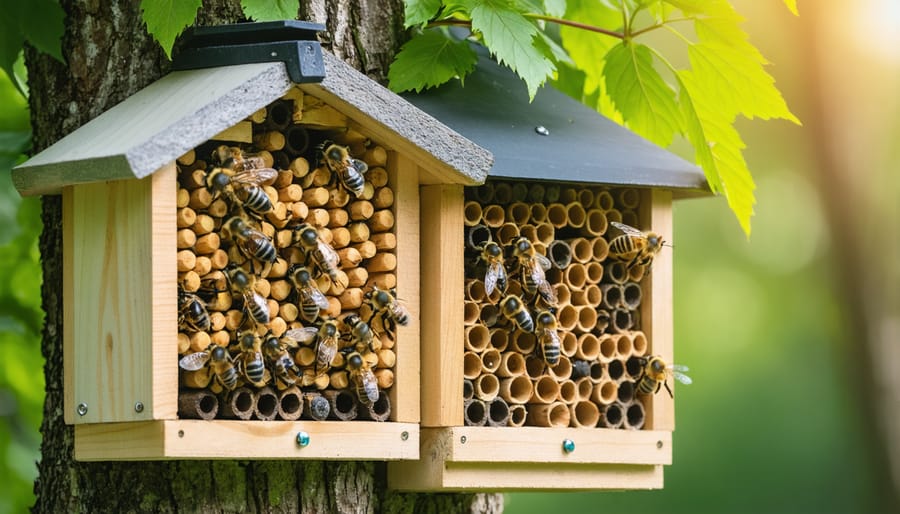
For cavity-nesting bees, consider adding a simple bee hotel to your balcony or garden wall. Look for models with natural materials like bamboo tubes or drilled wood blocks, with hole diameters between 2-10mm. Position them facing southeast in a sheltered spot, about three to five feet off the ground. Just remember to replace paper tube inserts annually to prevent disease buildup.
Winter shelter matters too. Resist the urge to do a complete fall cleanup. Leave hollow plant stems standing until late spring – they house overwintering pollinators and beneficial insects. Stack a few small logs or branches in a corner, or simply let leaf litter accumulate under shrubs. These messy spots aren’t clutter; they’re essential survival zones. If neighbors raise eyebrows, place these wilder areas toward the back of your space and keep front-facing areas tidier for aesthetic balance.
The Messy Garden Philosophy: Why Perfect Isn’t Better
Here’s the truth: that “messy” corner of your garden is actually a five-star pollinator hotel. Those dried flower stalks you’re itching to cut down? They’re winter homes for native bees, which nest in hollow stems. That pile of leaves under your shrubs? It’s overwintering habitat for butterflies and beneficial insects.
Shifting your perspective from manicured perfection to ecological function transforms garden maintenance. Instead of spring cleanup in March, wait until temperatures consistently reach 50°F—giving sleeping pollinators time to emerge. Leave some bare soil patches for ground-nesting bees. Keep a few seed heads standing through winter; they feed birds and provide structure.
This approach actually reduces your workload while maximizing habitat value. You’re not being lazy—you’re being strategic about supporting the ecosystem right outside your door.
Tools and Products That Make Urban Pollinator Gardening Easier
Container and Planter Selection for Maximum Impact
Choosing the right containers can transform even the tiniest urban space into a pollinator paradise. When selecting containers, bigger is genuinely better for pollinators. Aim for pots at least 12-16 inches deep and wide, which allow plants to develop robust root systems and produce more blooms. Terracotta and ceramic containers offer excellent breathability, though they dry out faster than plastic options. If you’re working with weight restrictions on a balcony, lightweight resin planters are fantastic alternatives that won’t compromise on capacity.
Vertical gardening systems are absolute game-changers for space-constrained pollinator enthusiasts. Wall-mounted pocket planters, tiered shelving units, and trellis systems let you grow upward instead of outward. Look for modular vertical gardens with adequate depth, around 6-8 inches minimum, to support plants like salvias and catmint that pollinators adore.
Don’t overlook window boxes and railing planters, which effectively double your growing space. Choose models with built-in water reservoirs to reduce maintenance, especially during hot summer months when pollinators are most active.
For sustainability-minded gardeners, consider upcycled containers like wooden crates or galvanized tubs, just ensure they have proper drainage holes. Self-watering containers are worthwhile investments that maintain consistent moisture levels, keeping nectar-producing flowers blooming longer while conserving water, a win-win for you and your pollinator visitors.
Eco-Friendly Soil and Fertilizer Options
Improving soil quality is fundamental to creating a thriving pollinator garden. Start with organic compost like Coast of Maine Stonington Blend or Worm Power Vermicompost, both excellent choices that enrich soil while feeding beneficial microorganisms. For containerized gardens, FoxFarm Ocean Forest Potting Soil provides the perfect balance of nutrients without synthetic additives.
When it comes to fertilizers, opt for slow-release organic options like Espoma Organic Plant-tone or Dr. Earth Organic Flower Fertilizer. These products nourish plants gradually without the salt buildup that can harm pollinators. Avoid high-nitrogen fertilizers that promote excessive foliage at the expense of blooms.
Mulch with untreated wood chips or shredded leaves to retain moisture and suppress weeds naturally. Remember, pollinators need access to bare soil patches for nesting, so leave some unmulched areas in your garden beds.
Common Mistakes Urban Pollinator Gardeners Make (And How to Avoid Them)
Overcrowding and Poor Plant Selection
I get it—when you’re working with limited space, there’s a real temptation to squeeze in every beautiful plant you see at the nursery. But here’s the truth: overcrowding creates competition for nutrients and water, reduces air circulation (hello, disease problems), and actually provides less value to pollinators than well-spaced, healthy plants.
Instead of cramming twenty varieties into a tiny plot, choose five to seven pollinator-friendly plants and give them room to thrive. Think quality over quantity. A single robust coneflower or salvia will attract more pollinators and bloom longer than three struggling, cramped specimens. Focus on plants native to your region whenever possible—they’re naturally adapted to local pollinators and require less maintenance.
Pay attention to mature plant sizes before buying. That cute little catmint might spread three feet wide, which matters when you’re working with containers or narrow beds. Read those plant tags carefully, and resist impulse purchases. Your pollinators will thank you with more visits to a healthier, more productive garden.
The Sterile Hybrid Trap
Not all flowers are created equal when it comes to feeding pollinators. Many popular ornamental plants sold at garden centers are sterile hybrids, bred specifically for showy blooms that last longer but produce little to no pollen or nectar. Double-flowered varieties are common culprits, their extra petals often hiding or replacing the reproductive parts that pollinators need.
To identify truly beneficial plants, look for single-flowered varieties with visible centers where bees can easily access pollen. Check plant labels for terms like “pollinator-friendly” or “native variety.” When shopping, watch the plants themselves. If you see bees, butterflies, or other insects visiting certain flowers in the nursery, that’s your best indicator. Native plant specialists and local botanical gardens can also point you toward varieties with proven pollinator value. Remember, a garden full of gorgeous but sterile blooms is essentially a food desert for the very creatures you’re trying to help.
Giving Up Too Soon
Rome wasn’t built in a day, and neither is a thriving pollinator garden. Many gardeners abandon their efforts after just one season, expecting immediate butterfly swarms and buzzing bees. In reality, it takes time for pollinators to discover your space and for plants to mature into their full glory. Native perennials often focus on root development their first year, truly flourishing in year two or three. Keep nurturing your garden through its establishment phase. Track your visitors in a journal—you’ll be surprised how gradually the population builds. Stay consistent with watering and maintenance, resist the urge to replant everything, and trust the process. Your patience will reward you with an increasingly vibrant ecosystem.
Creating an urban pollinator garden isn’t about having the perfect space or unlimited resources. It’s about recognizing that every single flower, every pot of native plants, and every patch of chemical-free ground contributes to something much bigger than our individual yards. Whether you’re working with a sprawling balcony, a sunny windowsill, or just a few square feet of soil, you have enough space to make a difference.
The beauty of pollinator gardening is its scalability. Start with three native perennials in containers this weekend. Add a small water source next month. Replace a section of high-maintenance lawn with low-growing native groundcovers next season. There’s no minimum threshold for impact. That single bee balm plant on your fire escape might provide crucial nutrition for dozens of pollinators throughout the growing season.
You’re joining a movement of urban conservation gardeners who understand that cities don’t have to be ecological dead zones. With millions of balconies, patios, rooftops, and small yards across urban areas, we collectively control an enormous amount of potential pollinator habitat. Your contribution matters, not despite its small size, but because of how it connects with countless other small efforts happening simultaneously.
Don’t wait for perfect conditions or complete knowledge. Start where you are, with what you have, right now. Plant something today, even if it’s just one native species in a pot. The pollinators are already looking for help, and they’ll find whatever you offer them.